The reason for the strong heating of Ivy Bridge processors is not in the thermal interface

|
xtreview is your : Video card - cpu - memory - Hard drive - power supply unit source |
|
|||
|
|
||||


 Recommended : Free unlimited image hosting with image editor
|
POSTER: computer news || THE REASON FOR THE STRONG HEATING OF IVY BRIDGE PROCESSORS IS NOT IN THE THERMAL INTERFACE |
DATE:2012-04-30 |
|
|
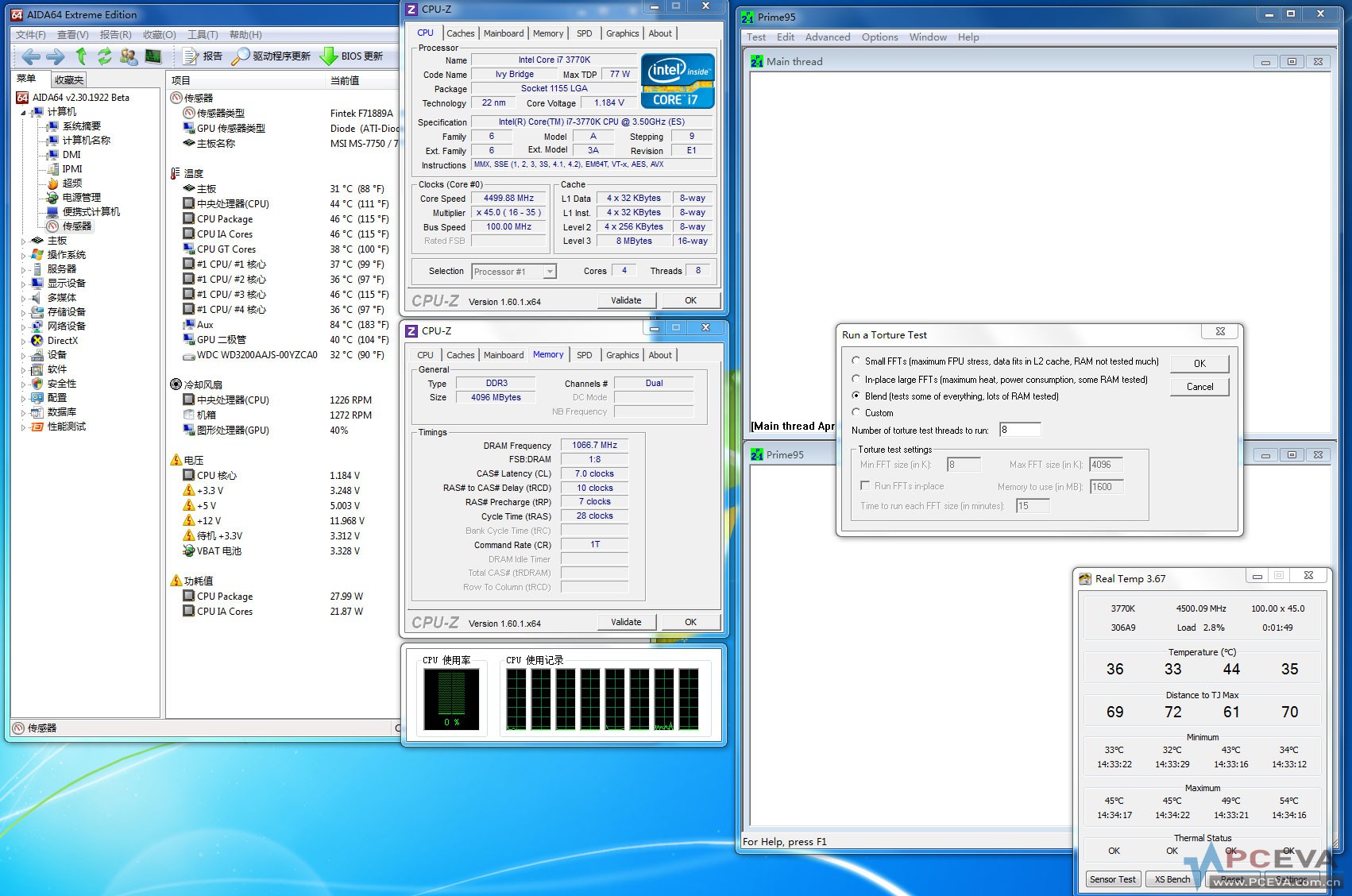
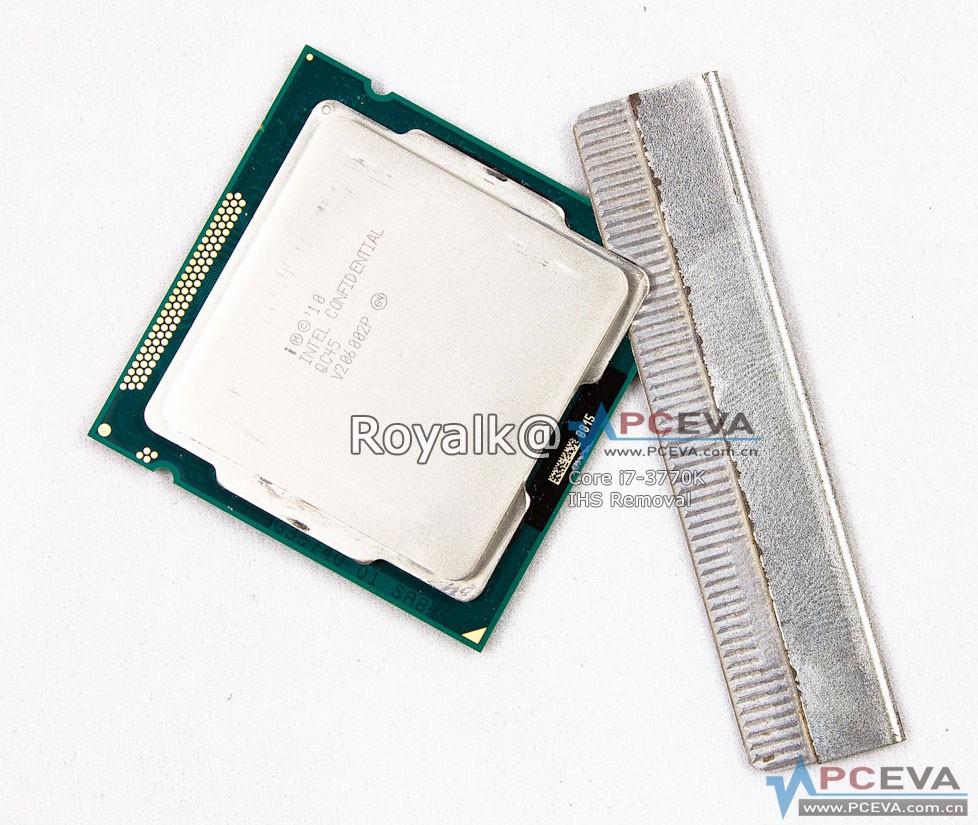
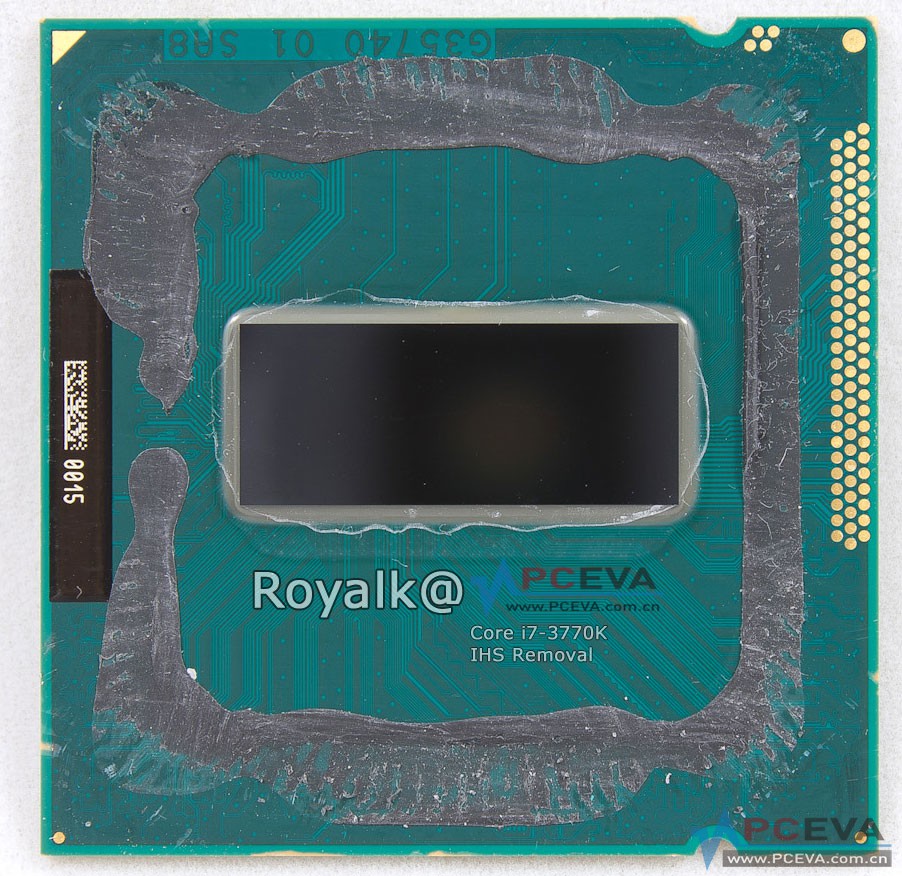
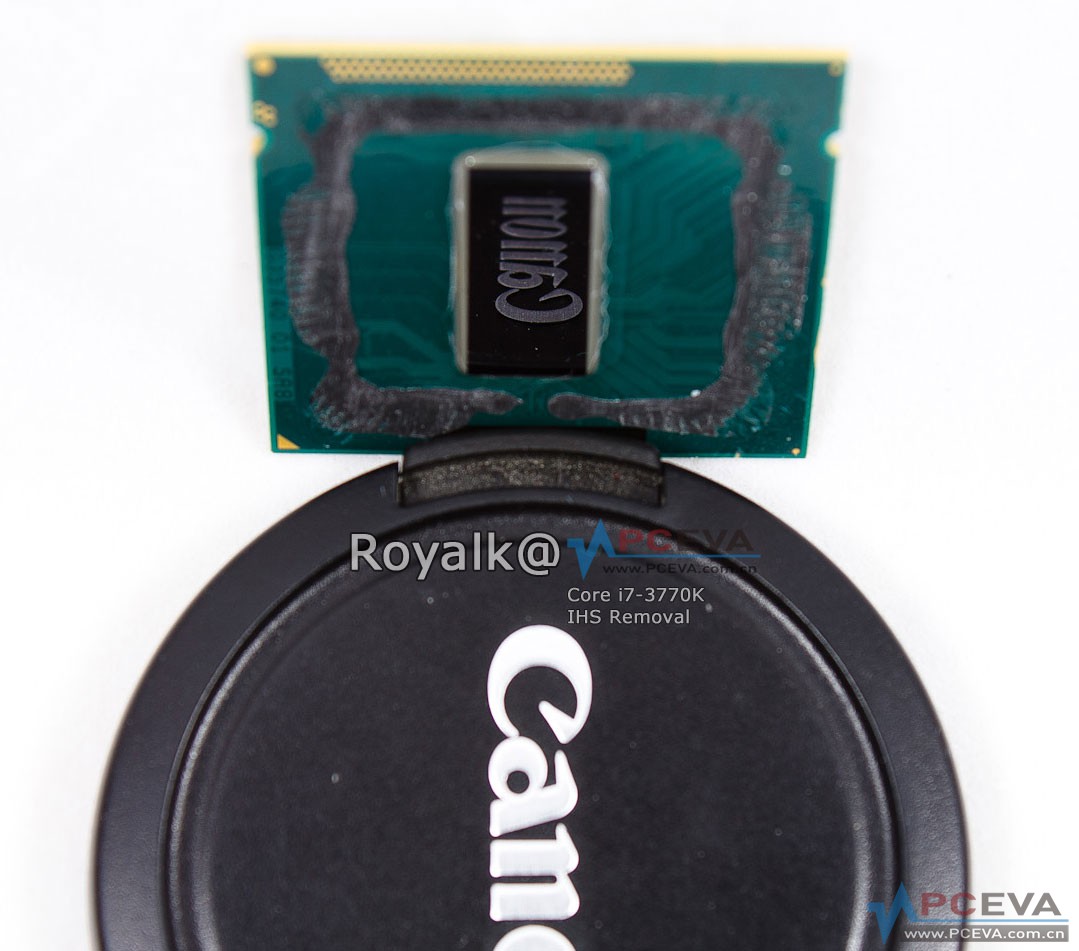
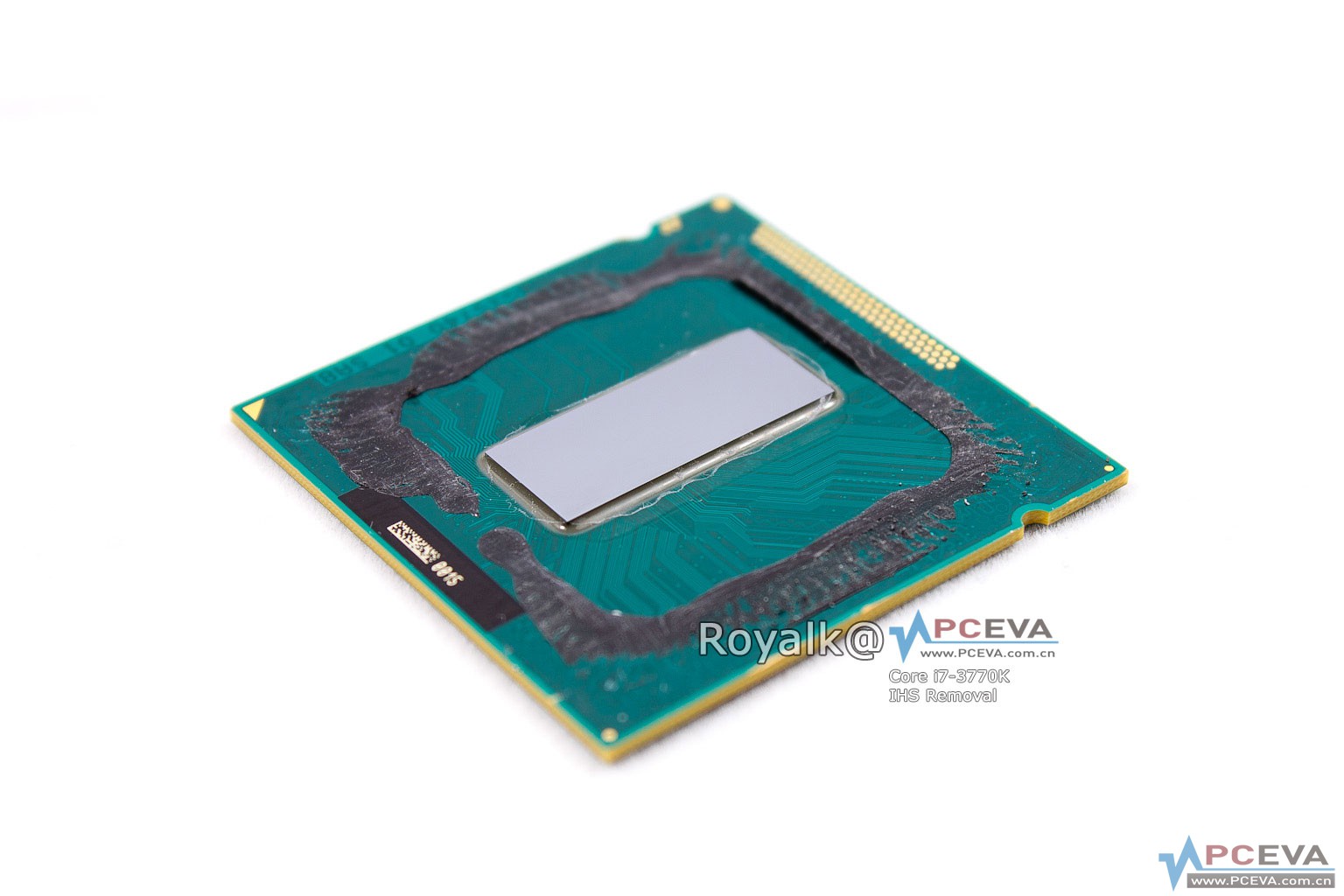
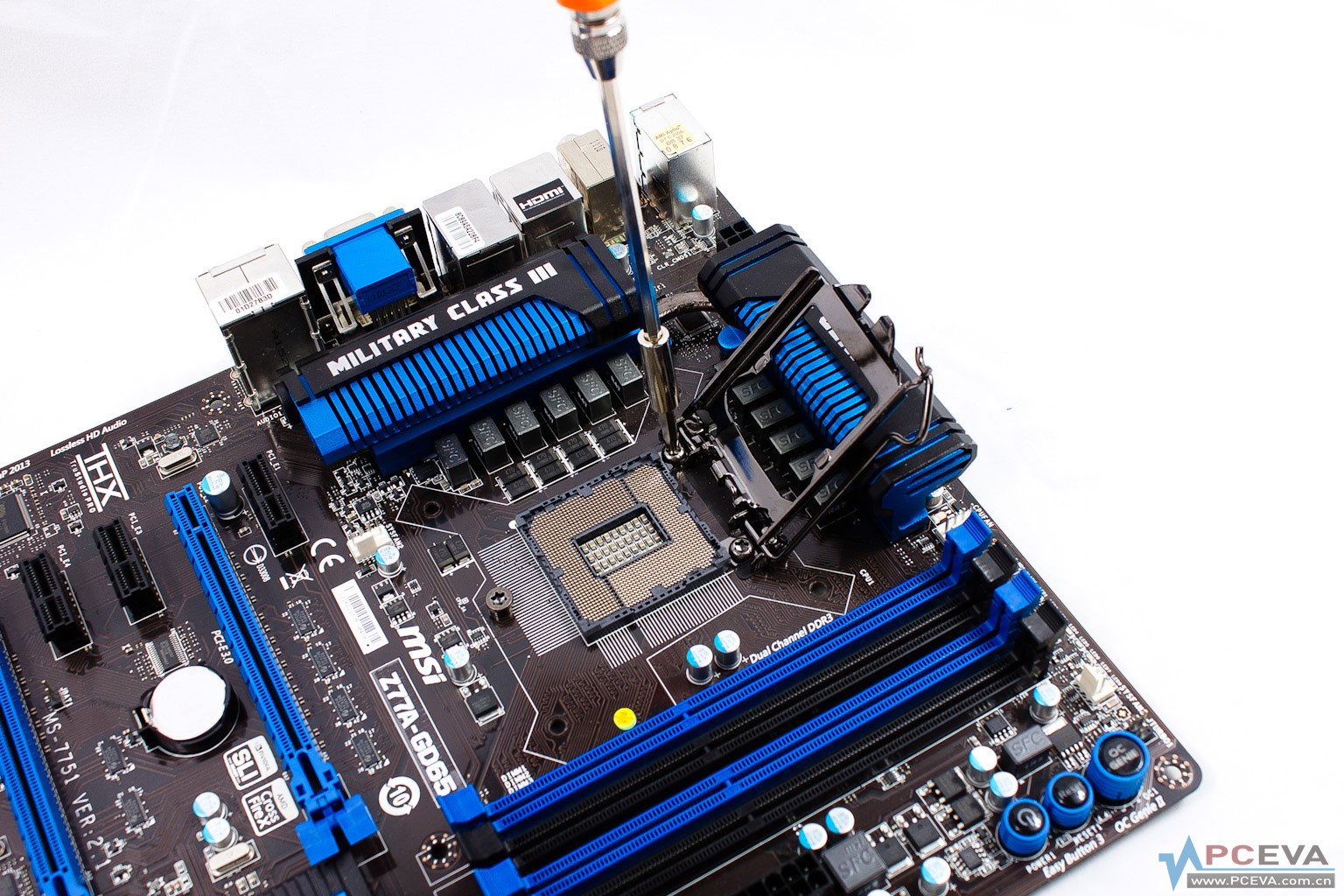
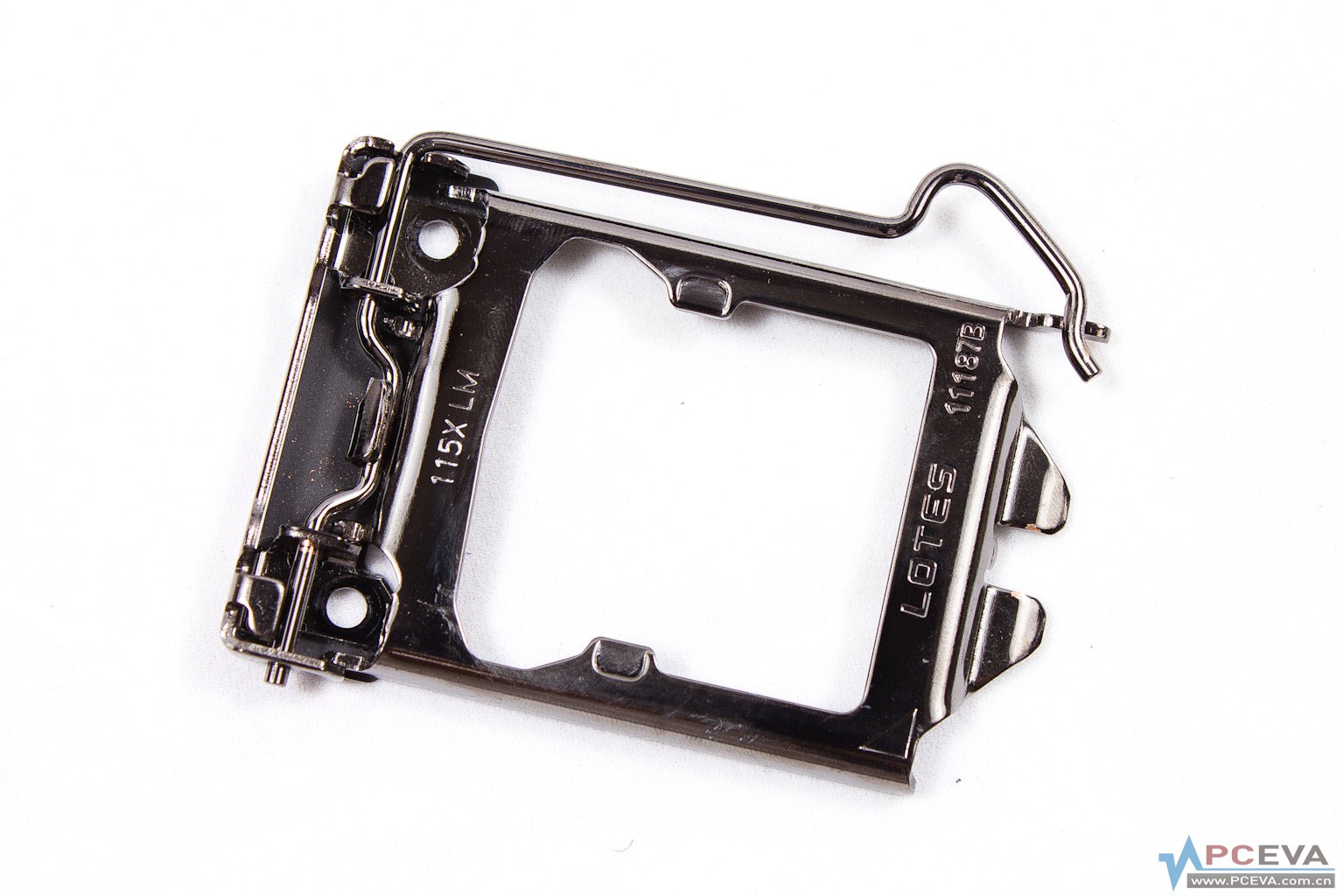
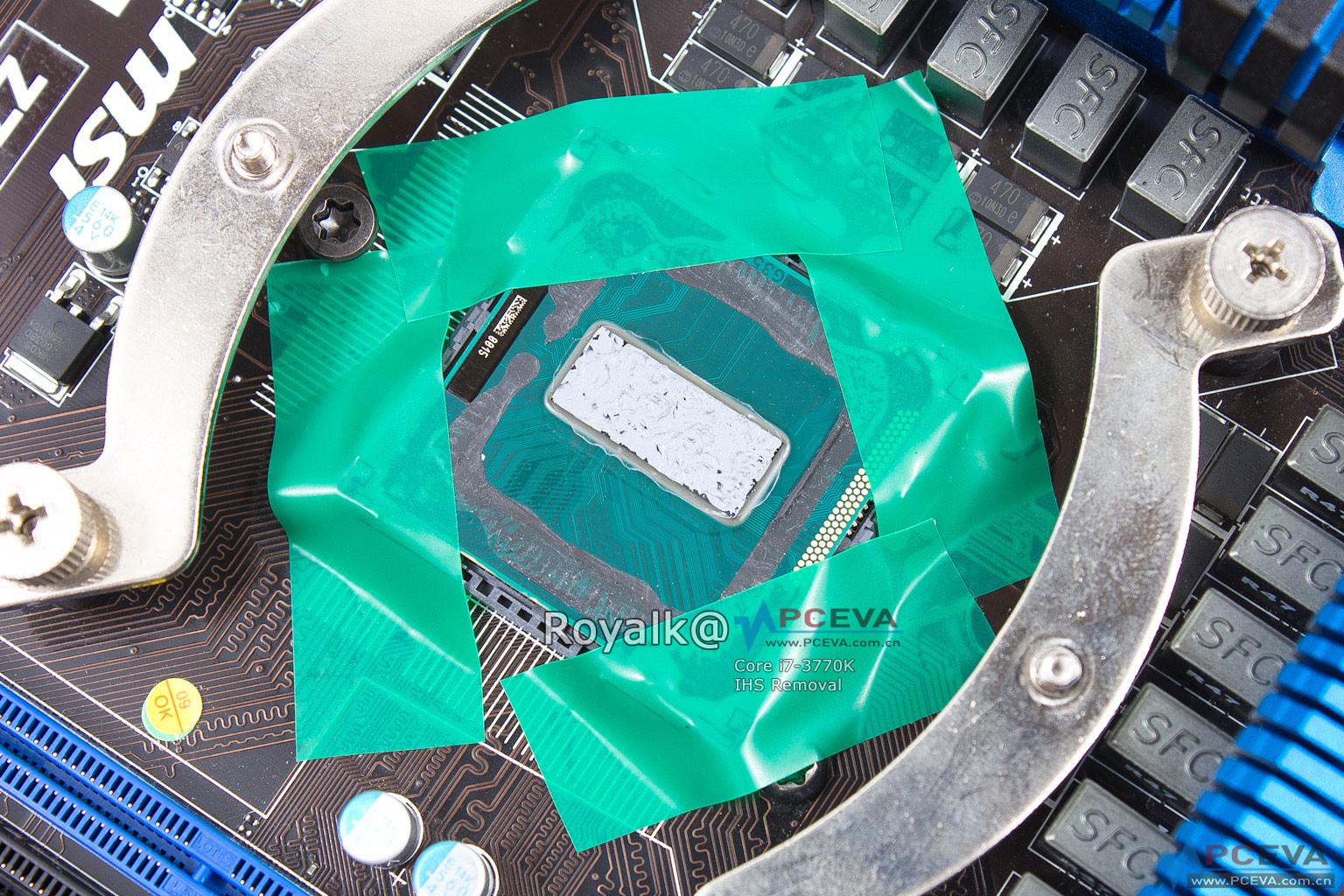
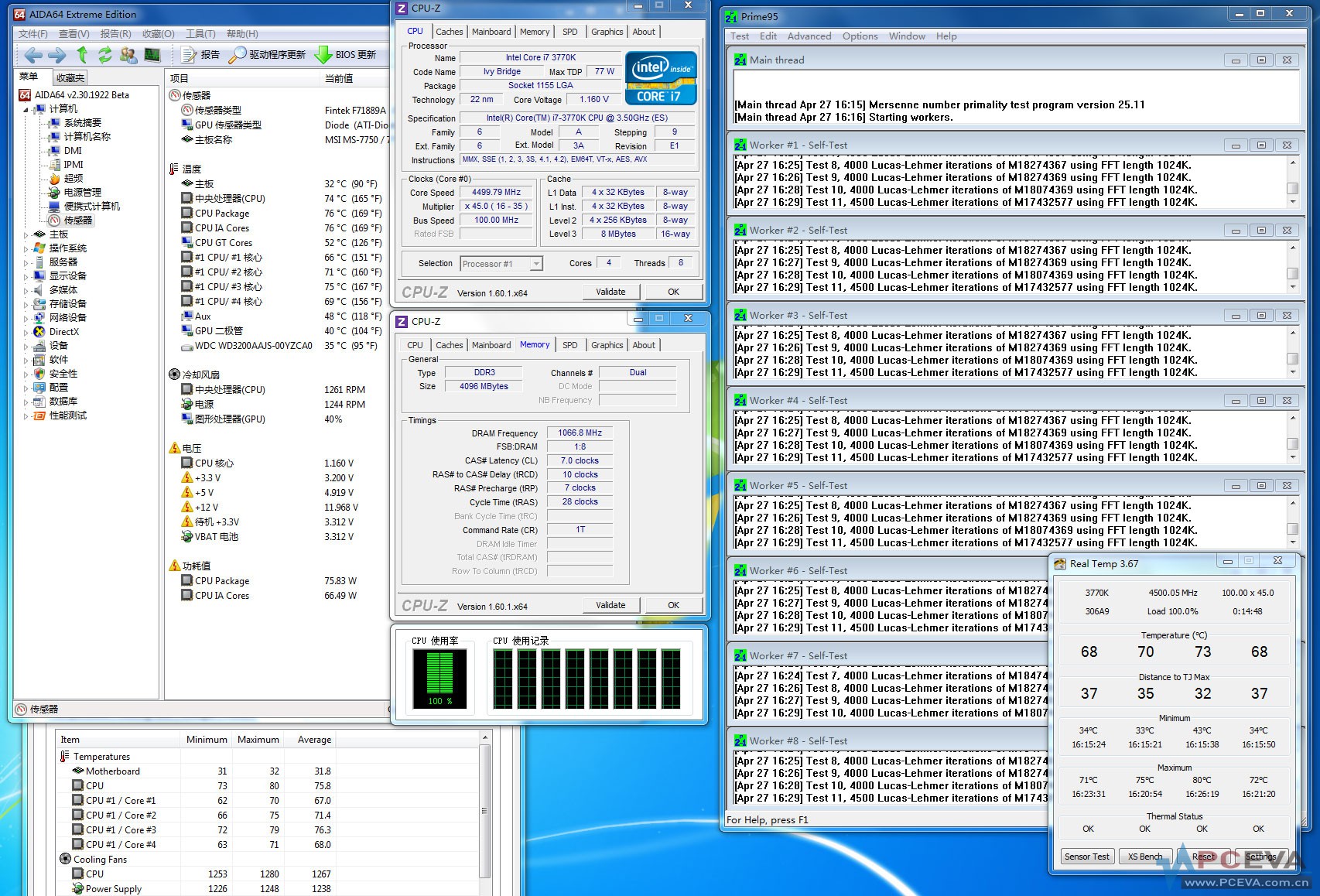
Ivy Bridge processors are different by hot temperature in comparison with their predecessors, Sandy Bridge generation. The investigation found out that in the case of Ivy Bridge, Intel resorted to the use of a thermal interface between the heat spreader and the chip crystal . Some argue that the replacement of thermal grease improves the thermal performance, while others believe the procedure is useless. One of participants in the Chinese forum pceva.com.cn decided to study the problem and then shared the results of their research with the public. During testing, an enthusiastic used CPU Core i7-3770K, and used the motherboard MSI Z77A-GD65 and cooling system Noctua NH-D14 (thermo Prolimatech PK-1) at room temperature 28 ° C. The processor was overclocked to 4.5 GHz at a voltage of 1.2 volts and passed stability tests in the benchmark Prime 95. So enthusiastic checked the CPU temperature readings from the established device. According to measurements, the temperature in the core was a simple 33/32/43/34 degrees, the maximum temperature reached at a load up to 80 ° C, while the averages are 67.1/71.5/76.6/68.0 degrees. After the cover has been dismantled, they made new temperature measurements . Performance in a simple form 34/33/43/34 degrees, the maximum temperature reached under load was 80 ° C, average values are almost identical to that obtained earlier - 67.0/71.4/76.3/68.0 degrees. it is worth noting that the increase in CPU frequency to 4.8 GHz cores causes warming to 100 ° C and above. Thus, the heat reason lies not in the used thermal interface but much deeper. Probably, the disclosure of overclocking potential of processors manufactured on 22nm technology will be a little later.
Related Products : | ||
|
|
||









|
xtreview is your : Video card - cpu - memory - Hard drive - power supply unit source |
|
|
|
|
||
|
Xtreview Support  N-Post:xxxx Xtreview Support  |
THE REASON FOR THE STRONG HEATING OF IVY BRIDGE PROCESSORS IS NOT IN THE THERMAL INTERFACE |
| Please Feel Free to write any Comment; Thanks  |
Understand the reasons for overstating the price of Radeon RX Vega 64 (2017-08-17)
Gigabyte sees no reason to place expensive chipsets on mini-ITX boards (2017-06-05)
Demos of Prey for some reason will not be on PC (2017-04-13)
The reason for the shortage of motherboards for AMD Ryzen (2017-03-16)
Samsung has officially announced the reasons for Galaxy Note 7 explosion (2017-01-23)
Problems of the new MacBook Pro graphics due to software reasons (2016-12-05)
Tesla Motors has named reasons for breaking off relations with MobilEye (2016-09-16)
Lenovo Yoga Tab 3 Plus combines reasonable price, and eight-core processor (2016-09-01)
Tesla Motors have enough reasons to hunt for NVIDIA experts (2016-04-02)
Polaris will continue to use first-generation HBM for economic reasons (2016-03-15)
Intel talk again about the reasons for purchasing Altera (2015-12-05)
Qualcomm Snapdragon 815 is constrained by marketing reasons (2015-03-30)
Stronger dollar - not a reason to change the prices on Apple products (2014-10-21)
IBM Watson reasoning principles allow to create robots (2014-10-08)
Comments about NVIDIA graphics cards rival reasons for deficit (2014-05-10)
The reasons for shortages Radeon R9 290X Taiwanese hypothesis (2014-02-07)
Steve Ballmer told the reason for his departure from the post of Microsoft head (2013-11-17)
ZaReason UltraLap 430 preview (2012-09-06)
HTC is ready to release a tablet for a reasonable price (2012-08-27)
ZaReason UltraLap 430 preview (2012-08-05)

To figure out your best laptops .Welcome to XTreview.com. Here u can find a complete computer hardware guide and laptop rating .More than 500 reviews of modern PC to understand the basic architecture


7600gt review
7600gt is the middle card range.
We already benchmarked this video card and found that ...
 geforce 8800gtx and 8800gts Xtreview software download Section AMD TURION 64 X2 REVIEW INTEL PENTIUM D 920 , INTEL PENTIUM D 930 6800XT REVIEW computer hardware REVIEW INTEL CONROE CORE DUO 2 REVIEW VS AMD AM2 INTEL PENTIUM D 805 INTEL D805 Free desktop wallpaper online fighting game Xtreview price comparison center
Rss Feeds


- The new version of GPU-Z finally kills the belief in the miracle of Vega transformation
- The motherboard manufacturer confirms the characteristics of the processors Coffee Lake
- We are looking for copper coolers on NVIDIA Volta computing accelerators
- Unofficially about Intels plans to release 300-series chipset
- The Japanese representation of AMD offered monetary compensation to the first buyers of Ryzen Threadripper
- This year will not be released more than 45 million motherboards
- TSMC denies the presentation of charges from the antimonopoly authorities
- Radeon RX Vega 64 at frequencies 1802-1000 MHz updated the record GPUPI 1B
- AMD itself would like to believe that mobile processors Ryzen have already been released
- AMD Vega 20 will find application in accelerating computations
- Pre-orders for new iPhone start next week
- Radeon RX Vega 57, 58 and 59: the wonders of transformation
- ASML starts commercial delivery of EUV-scanners
- The older Skylake processors with a free multiplier are removed from production
- Meizu will release Android-smartphone based on Helio P40
- AMD Bristol Ridge processors are also available in American retail
- The fate of Toshiba Memory can be solved to the next environment
- duo GeForce GTX 1080 Ti in GPUPI 1B at frequencies of 2480-10320 MHz
- New Kentsfield overclocking record up to 5204 MHz
- Lenovo released Android-smartphone K8












computer news computer parts review Old Forum Downloads New Forum Login Join Articles terms Hardware blog Sitemap Get Freebies


